



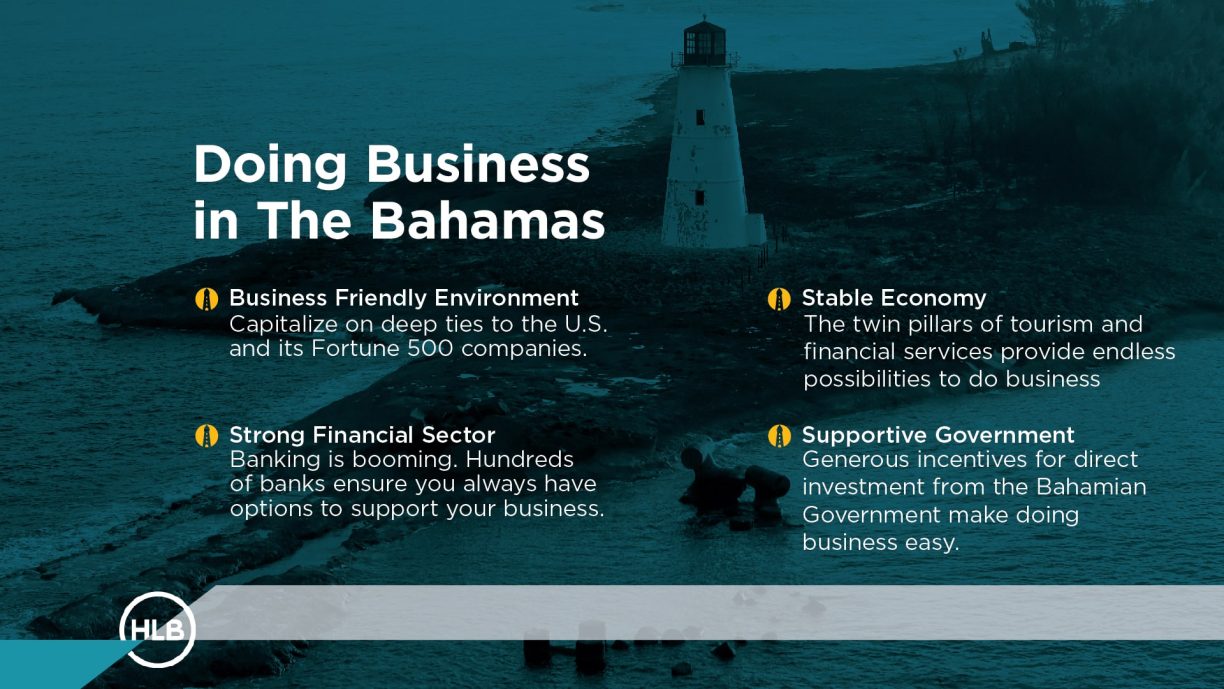
The Bahamas is paradise. It’s a premier tourist destination because of its beautiful beaches, warm hospitality and tropical climate.
Why You Need an Audit Like You Need a Colonoscopy
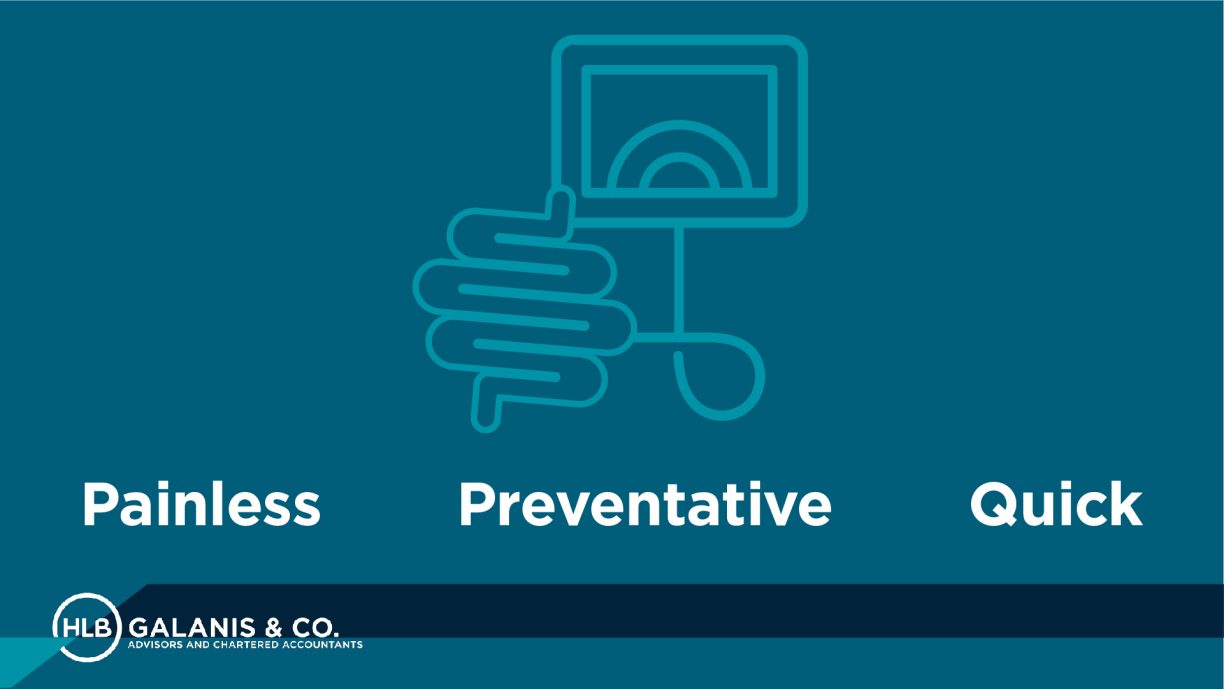
Nobody is excited about getting a colonoscopy. We all dread them. The experience sounds invasive, inconvenient and unpleasant. But if we want to live long, healthy lives, we need to get one at some point. You may not realize it, but just as a colonoscopy is a necessity for a long, healthy life, regular audits are vital to the long-term health of your business.
Addressing digital weaknesses to fuel growth opportunities

HLB’s Survey of Business Leaders – Financial Services analysis
Key survey findings at a glance:
Confidence in global growth is lower for business leaders in financial services. Only 20% of leaders believe the rate of global economic growth is likely to increase over the next 12 months
Undertaking joint ventures a priority for financial service business leaders
Digital capabilities considered a weakness, but adopting emerging technologies considered an action for growth over the next 12 months
Embracing opportunity while overcoming supply chain challenges
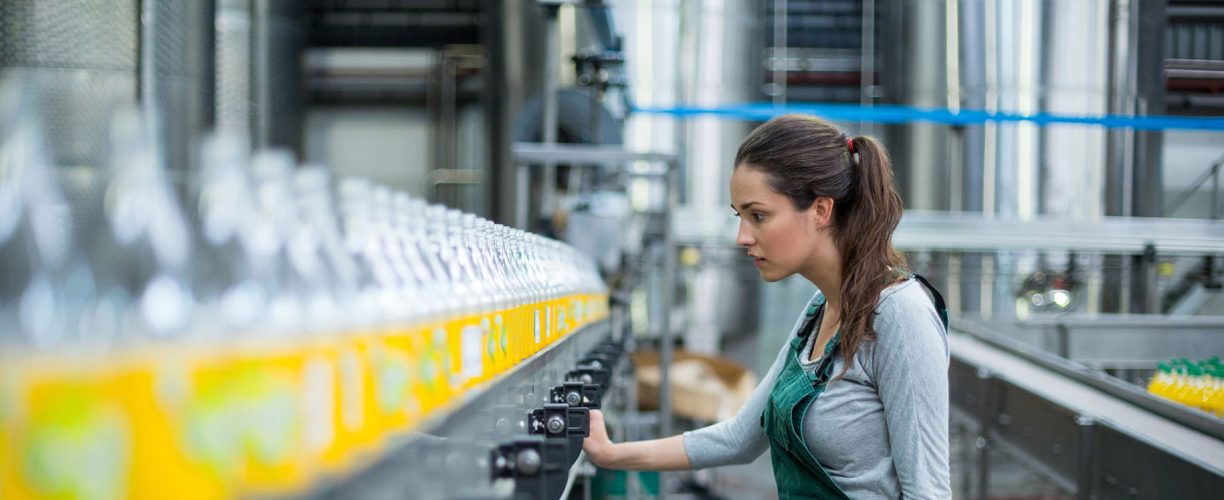
When COVID-19 shut down factories, companies across the globe felt the impact. Raw material delays combined with shipping bottlenecks affected nearly every manufacturing segment. Although some manufacturers saw a decline from reduced consumption, others thrived with newfound demand for products.
The post-pandemic agriculture, food and beverage supply chain
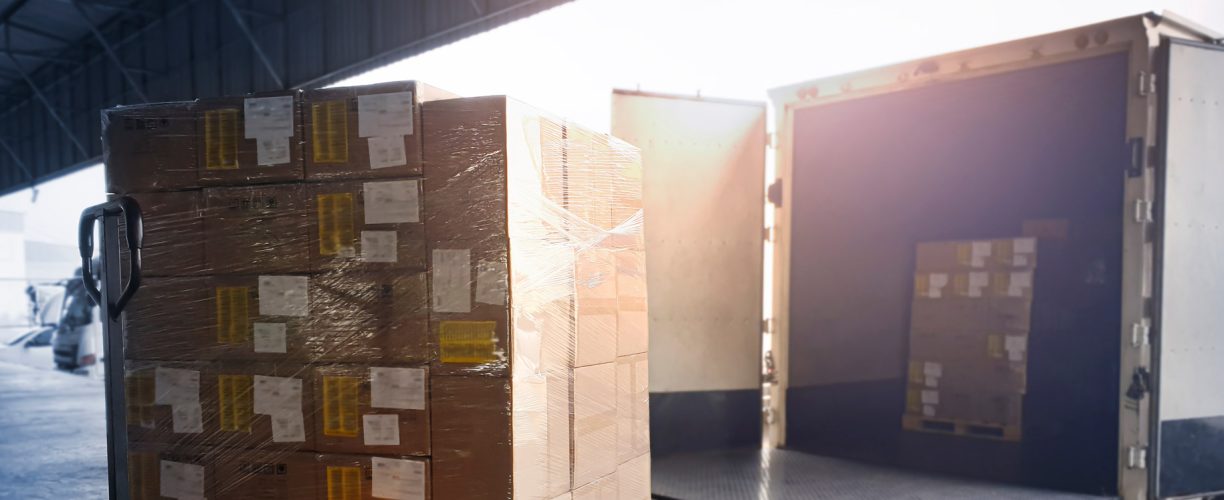
The COVID-19 pandemic hit the agriculture, food, and beverage sectors hard. Our 2021 survey found that 81 per cent of business leaders consider the consequences of COVID-19 the biggest business risk. Empty supermarket shelves revealed weaknesses in their supply chains. Consider that the supply chain affects producers, distributors, food-processing plants, and consumers. In many food-processing plants, production ended up either reduced, suspended, or temporarily discontinued due to workers who tested positive for COVID-19. Less production in processing plants meant less food on grocery store shelves.